


Real work, different game loops
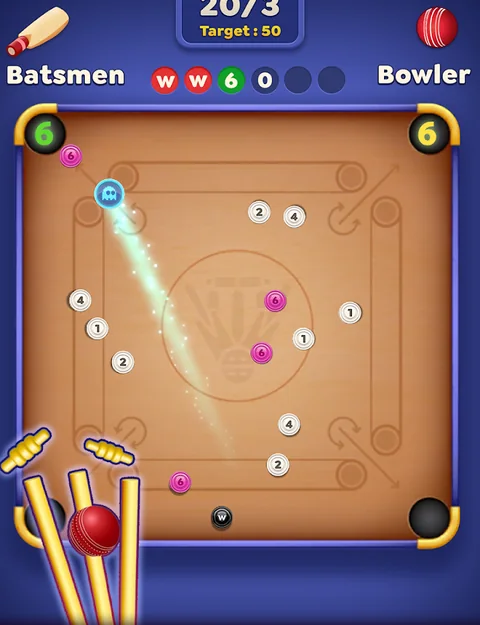
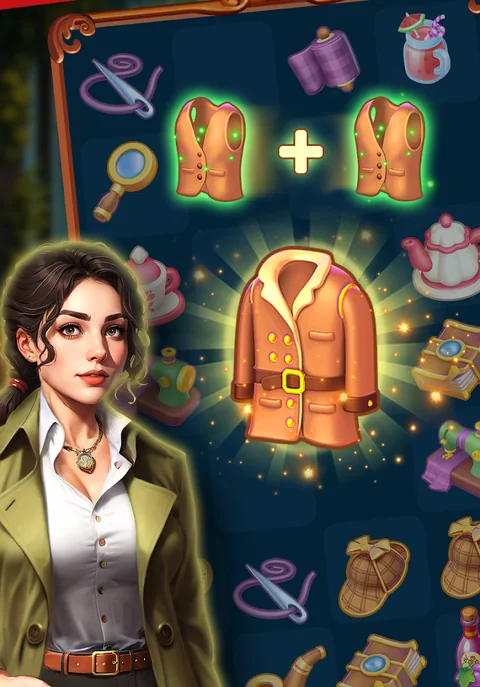
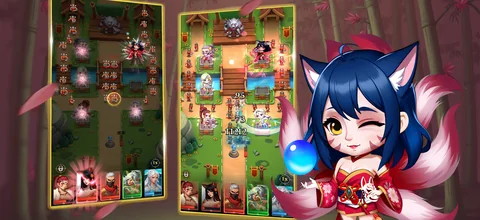
Our team completed full development of the four mobile Unity games shown here: restaurant cooking, a multiplayer disc-and-board game, a detective merge puzzle and fantasy tower defense. Explore the supplied project images below. Project identities are changed for confidentiality; full development does not mean every illustration, sound or third-party asset was created in-house.
Four ways to move forward
- Build a new game: define the player loop, target platform and first release.
- Finish an existing game: assess the available code and unfinished work before agreeing what remains.
- Add features: describe the change and how it interacts with existing progression, interfaces and data.
- Fix or improve a game: provide reproducible bugs or the devices and situations affected by a performance issue.
Services grounded in mobile experience
Our mobile Unity work covers cooking and time-management loops, board-game controls and match rules, merging and story objectives, and hero-led defensive combat. We can scope interface, progression and content work around the game you need. Multiplayer and external integrations require their own requirements review. Tell us your intended platform so we can discuss suitability and the testing your project needs.
What should I include in a brief?
Share the idea or genre, intended players and platform, project stage, essential features and any public references. Tell us what assets or code already exist and who owns them. Budget expectations and timing are useful but optional. Do not send credentials in the enquiry.
Can you assess an unfinished Unity project?
Yes, we can discuss an assessment. Code condition, dependencies, documentation and access determine what investigation is needed. A partly built project is not automatically cheaper to finish, and assessment does not guarantee every codebase can be repaired. Detailed technical investigation is scoped and quoted.
How are features and milestones agreed?
Before implementation, agree deliverables, exclusions, dependencies and review points. You review playable work against agreed behaviour and provide consolidated feedback. A change request should state its impact on effort, timing and acceptance before becoming part of the scope.
What shapes a quotation?
The complexity of connected gameplay systems, art readiness, content volume, inherited code, platform testing and external services all affect effort. Separate the essential first release from later ideas. Share your priorities and available code or assets so we can discuss the scope and prepare a project-specific estimate.
What is handed over?
Clarify source-code access, build instructions, assets, licences, documentation and third-party accounts before work starts. Agree ownership and transfer terms in the project scope, including any separate licences for artwork, audio and third-party software.
Who tests and publishes the game?
Agree devices, test cases, acceptance criteria and who supplies accounts, store materials and release approval. Testing and publishing responsibilities are project-specific. We do not guarantee store approval or commercial results.
How does post-launch support work?
Discuss maintenance, bug investigation, content updates and responsibility for third-party changes. The period, exclusions and commercial terms of any support arrangement must be agreed; unlimited revisions or permanent support are not implied.